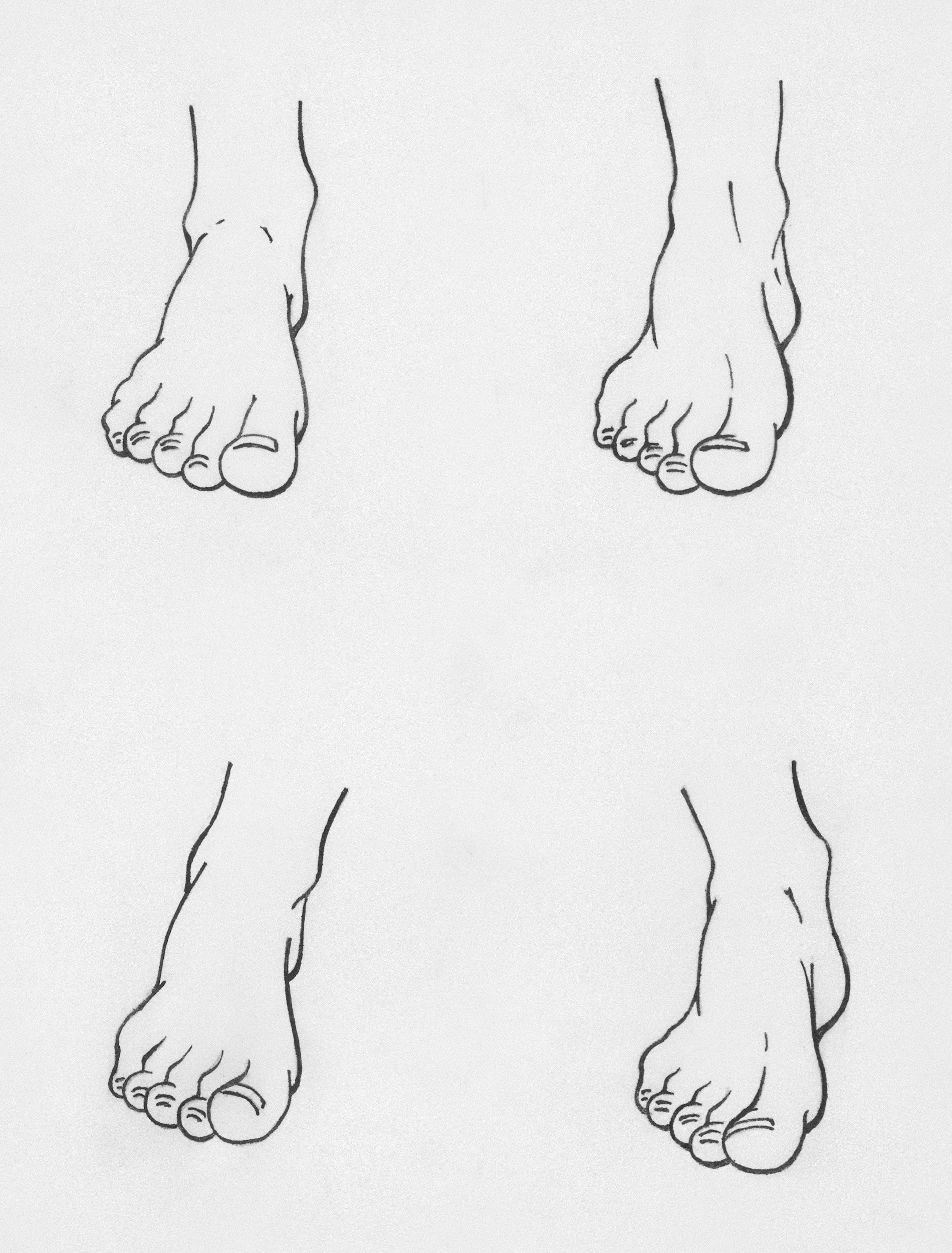
We often hear about flat feet being the ‘worse’ foot to have, and the foot type that contributes to most foot pathology. However, is this true?
Pes cavus, commonly referred to as a high-arched foot is characterised by an abnormally elevated medial longitudinal arch. Unlike the more flexible and shock-absorbing normal foot, the cavus foot is typically rigid and less capable of distributing forces evenly during gait. This altered foot structure significantly affects plantar pressure patterns, often leading to pain, instability, and increased risk of musculoskeletal injury.
Understanding the relationship between pes cavus and plantar pressures is important in clinical biomechanics, podiatry, physiotherapy, and sports medicine because abnormal pressure distribution contributes to a wide range of foot pathologies and functional impairments.
A pes cavus foot is defined by excessive elevation of the arch, frequently accompanied by:
Rearfoot varus
Forefoot equinus or plantarflexion of the first ray
Clawed toes
Reduced foot flexibility
Tight plantar fascia and Achilles tendon
Plantar Pressure Distribution
Plantar pressure refers to the force exerted by the sole of the foot against the ground during standing and walking. In a normal foot, pressure is distributed across the heel, midfoot, and forefoot in a balanced manner.
In pes cavus, the elevated arch reduces contact area between the midfoot and the ground. As a result, body weight becomes concentrated primarily at two regions:
The heel
The metatarsal heads (forefoot)
This creates significantly increased peak plantar pressures in these areas.
Therefore, this is the foot type that normally produces the most hard skin, heel fissuring and callousing when performing our famous ‘medical pedicure’.
Biomechanical Consequences
The abnormal plantar pressure patterns associated with pes cavus can lead to several biomechanical and clinical issues.
Reduced Shock Absorption
The rigid arch decreases the foot’s ability to dissipate ground reaction forces. Consequently, impact forces travel more directly through the lower limb, increasing stress on bones and soft tissues.
Lateral Instability
Many cavus feet demonstrate excessive supination, shifting pressure laterally during stance and gait. This can increase susceptibility to:
Lateral ankle sprains
Peroneal tendon injuries
Stress fractures of the fifth metatarsal
Forefoot Overload
Excessive loading beneath the metatarsal heads commonly results in:
Metatarsalgia
Plantar calluses
Sesamoiditis
Stress fractures
Heel Pain
Elevated heel pressures may contribute to:
Plantar fasciitis
Heel pad pain
Calcaneal stress injuries
Gait Alterations in Pes Cavus
Individuals with pes cavus often demonstrate altered walking mechanics due to the rigid nature of the foot.
Common gait characteristics include:
Reduced pronation during stance
Increased supination
Decreased shock attenuation
Shortened contact time of the midfoot
Increased loading rates
These changes can affect not only the foot but also proximal joints such as the knee, hip, and lumbar spine.
Management and Treatment
Treatment of pes cavus focuses on reducing abnormal plantar pressures, improving stability, and relieving symptoms.
Orthotic Therapy
Custom foot orthoses are commonly prescribed to:
Redistribute plantar pressures
Increase midfoot contact
Cushion high-pressure regions
Improve shock absorption
Footwear Modification
Appropriate footwear may include:
Cushioned soles
Wider toe boxes
Rocker-bottom soles
Shock-absorbing materials
Each footwear brand offers their own version. Speak to your podiatrist about which model is most appropriate to your foot, as every foot type would have a more specific shoe suited.
PODIATRY CARE
Rehabilitation may involve:
Dry needling/ myofascial release/ hands on manual therapy
Stretching of the plantar fascia and Achilles tendon
Strengthening intrinsic foot muscles
Balance and proprioceptive training
Medical pedicures to reduce hard skin growth and relieve pain/ infection
Orthotic therapy- This is very specific to the individual foot. In a high arch, a custom orthotic is most suited, as it is prescribed to accurately contact the contours of the high arch.
There are so many other therapies that can be performed by our podiatrist. We recommend an individual consultation for a personalised treatment plan.