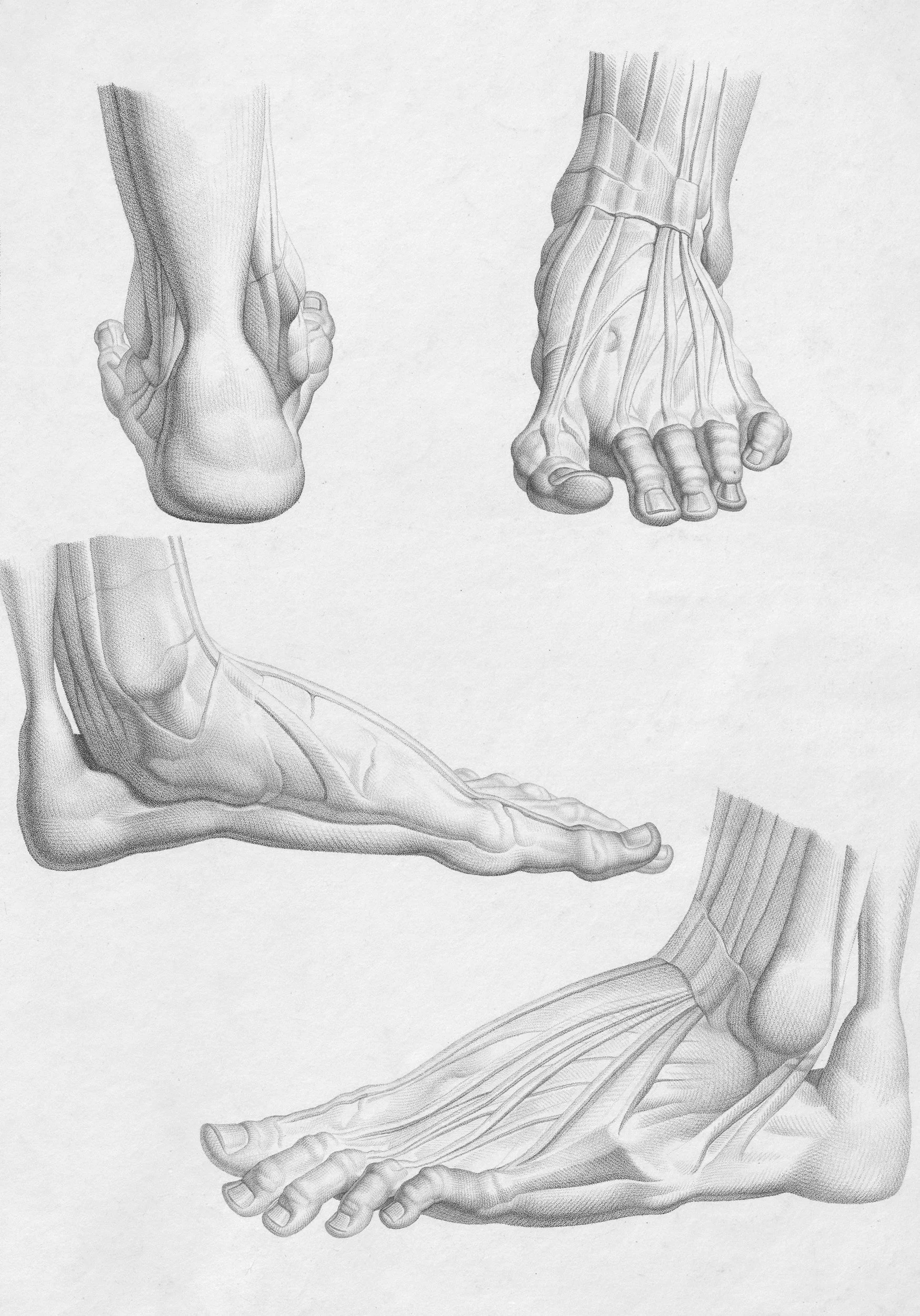
Heel pain is one of the most common foot complaints treated by podiatrists. Whether it appears suddenly or gradually worsens over time, heel pain can make simple activities like walking, exercising, or standing at work uncomfortable.
If you are experiencing persistent heel pain, early assessment and treatment from a podiatrist in Perth can help prevent the problem from becoming chronic.
What Causes Heel Pain?
There are several possible causes of heel pain. A proper diagnosis is important because different conditions require different treatment approaches.
Plantar Fasciitis
Plantar fasciitis is the most common cause of heel pain. It occurs when the plantar fascia, a thick band of tissue that supports the arch of the foot, becomes irritated or overloaded.
Common symptoms include:
Sharp pain under the heel
Pain with the first steps in the morning
Discomfort after long periods of standing or walking
Pain after exercise rather than during it
This condition is particularly common in runners, people who stand for long hours at work, and those wearing unsupportive footwear.
Heel Spurs
Heel spurs are small calcium deposits that form on the heel bone due to repeated strain on the foot muscles and ligaments. While heel spurs themselves may not always cause pain, they are frequently associated with plantar fasciitis and chronic heel pain.
Achilles Tendinopathy
Pain at the back of the heel may be caused by Achilles tendinopathy. This condition develops when the Achilles tendon becomes irritated or degenerates due to overuse.
It is commonly seen in:
Runners
Athletes
People who suddenly increase their activity levels
Individuals with tight calf muscles
Children’s Heel Pain (Sever’s Disease)
Heel pain is also common in children aged 8–14 who participate in sports. Sever’s disease occurs when the growth plate in the heel becomes inflamed due to repetitive stress during growth.
Heel Fat Pad Syndrome
The heel contains a natural cushioning pad that absorbs shock with each step. Over time, this fat pad can thin or become irritated, leading to deep, bruise-like pain in the centre of the heel.
Risk Factors for Heel Pain
Certain factors increase the risk of developing heel pain, including:
Long hours standing or walking at work
Running or high-impact exercise
Sudden increases in physical activity
Flat feet or high arches
Tight calf muscles
Poor footwear support
Addressing these risk factors early can reduce strain on the heel and prevent ongoing problems.
Heel Pain Treatment Options
The good news is that most heel pain conditions respond well to conservative podiatry treatment. After a thorough assessment, a podiatrist will create a personalised treatment plan based on the underlying cause.
Treatment options may include:
Custom foot orthotics to support the arch and reduce heel strain
Footwear advice and recommendations
Stretching and strengthening programs
Strapping or taping techniques
Ultrasound therapy for chronic heel pain
Load management and activity modification
Dry needling/ acupuncture
Early treatment often leads to faster recovery and reduces the risk of long-term pain.
When Should You See a Podiatrist for Heel Pain?
You should consider seeing a podiatrist if:
Heel pain lasts longer than 1–2 weeks
Pain is worst with the first steps in the morning
The heel becomes swollen or very tender
Pain interferes with walking, exercise, or work
Home treatments are not helping
A professional assessment can identify the exact cause of the pain and ensure you receive the most effective treatment.
Heel Pain Treatment in Perth
If you are experiencing heel pain, seeing a podiatrist early can make a significant difference in recovery time.
At our Perth podiatry clinic, we provide comprehensive heel pain assessments, evidence-based treatment plans, and personalised care to help you return to pain-free movement.
Whether your heel pain is caused by plantar fasciitis, Achilles tendon problems, or sports-related injury, our goal is to address the underlying cause and prevent the problem from returning.
Book an Appointment
Contact our Perth podiatry clinic at Pulse Podiatry today to book your treatment. We are now accepting new patients.