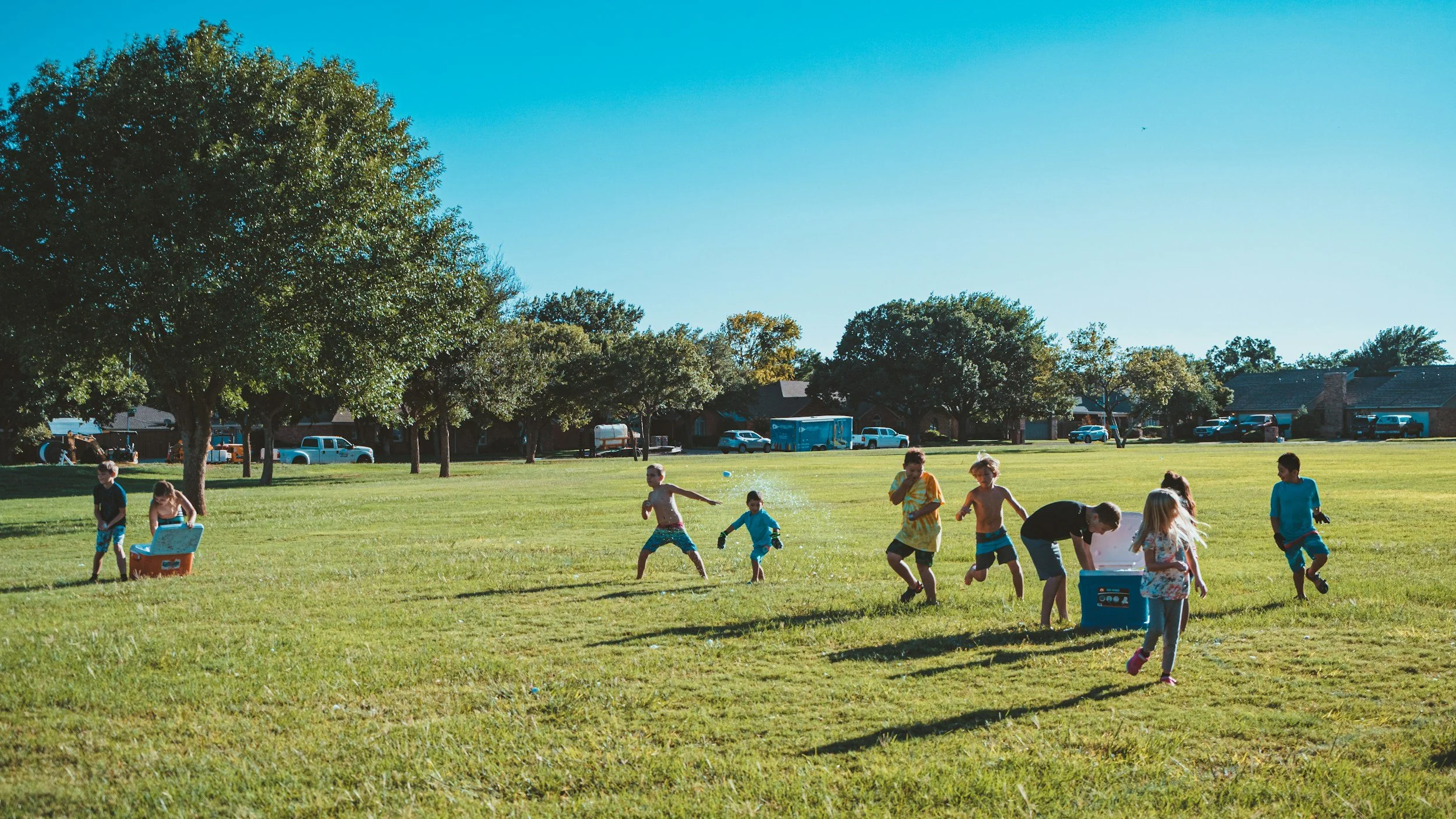
Children's feet grow and develop rapidly throughout infancy, childhood, and adolescence. While many foot and lower limb concerns are a normal part of development, some conditions can affect a child's comfort, mobility, balance, participation in sport, and overall quality of life.
Early assessment can help ensure healthy development and address issues before they become more significant.
Common Paediatric Foot Conditions We Treat
Flat Feet (Pes Planus)
Flexible flat feet are common in young children and often improve naturally as they grow. However, some children experience pain, fatigue, poor balance, frequent tripping, or difficulty keeping up with their peers. A podiatric assessment can determine whether treatment is required.
Growing Pains
Many children experience aching legs, particularly in the evenings or after physical activity. While growing pains are common, persistent discomfort may be associated with biomechanical issues, muscle tightness, or altered foot function.
Heel Pain (Sever's Disease)
One of the most common causes of heel pain in active children, Sever's Disease occurs when the growth plate at the back of the heel becomes irritated. Children often complain of pain during running, jumping, and sporting activities.
In-Toeing and Out-Toeing
Some children walk with their feet turning inward or outward. While often part of normal development, excessive in-toeing or out-toeing may affect walking efficiency, balance, and participation in sport.
Toe Walking
Persistent toe walking beyond the expected developmental age may warrant further assessment. Identifying the underlying cause is important to ensure appropriate management and monitoring.
Knock Knees and Bow Legs
Changes in leg alignment are common during childhood growth. A podiatry assessment can help determine whether the alignment falls within normal developmental ranges or requires further investigation.
Children's Sports Injuries
Active children can develop overuse injuries affecting the feet, ankles, heels, and lower limbs. Early treatment can reduce pain, improve recovery, and help prevent recurring injuries.
Foot and Ankle Pain
Persistent pain should never be ignored. Whether caused by growth-related changes, biomechanics, injury, or sporting activity, identifying the source of discomfort is essential for effective treatment.
Gait and Walking Concerns
If your child appears clumsy, trips frequently, walks differently from their peers, or struggles with coordination, a gait assessment can provide valuable insight into their lower limb function.
Hypermobility
Children with hypermobile joints may experience foot fatigue, pain, instability, and difficulty with prolonged physical activity. Podiatric treatment can help improve support and comfort.
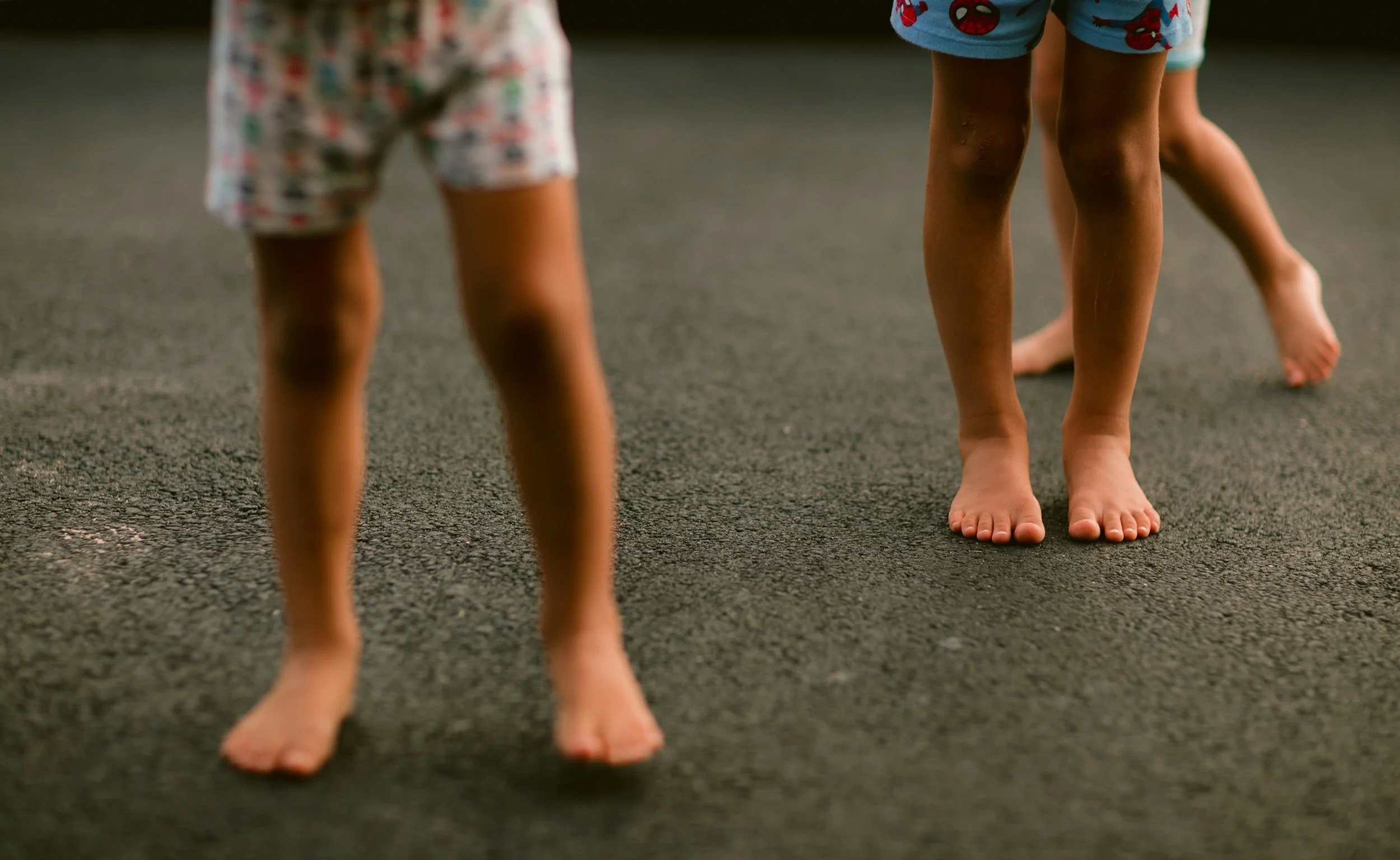
When Should You See a Podiatrist?
You should consider booking an assessment if your child:
Complains of foot, heel, ankle, knee, or leg pain
Walks on their toes
Trips or falls frequently
Appears unusually clumsy
Has flat feet associated with pain or fatigue
Has difficulty participating in sport
Develops changes in their walking pattern
Experiences ongoing lower limb discomfort
Early assessment and intervention can help support healthy growth, improve comfort, and keep children active and participating in the activities they enjoy.